
Author name: admin

Is Rheumatoid Arthritis Curable

Is Rheumatoid Arthritis Curable?

Is Rheumatoid Arthritis Curable? Rheumatoid arthritis is a chronic autoimmune disease that affects millions of people worldwide. While it can be a debilitating condition, many individuals wonder if there is a cure for this ailment. In this article, we’ll explore the topic of whether rheumatoid arthritis is curable, delving into its causes, symptoms, available treatments, and the latest research in the field. Understanding Rheumatoid Arthritis Rheumatoid arthritis, often referred to as RA, is an autoimmune disorder that primarily targets the joints. It occurs when the body’s immune system mistakenly attacks the synovium—the lining of the membranes that surround the joints. This leads to inflammation, pain, and potential damage to the affected joints. The Causes of Rheumatoid Arthritis The exact cause of rheumatoid arthritis remains elusive. However, a combination of genetic and environmental factors is believed to contribute to its development. Certain genetic markers may increase an individual’s susceptibility to RA, and environmental triggers like infections or smoking can potentially initiate the condition. Read Also: What Causes Joint Pain All Over the Body? Common Symptoms RA is characterized by several common symptoms, including joint pain, swelling, and stiffness. It often affects joints on both sides of the body, such as wrists, knees, and fingers. As the disease progresses, it can lead to joint deformity and functional impairment. Current Treatment Options While there is no definitive cure for rheumatoid arthritis, several treatments aim to alleviate its symptoms and slow down the progression of the disease. These treatments include non-steroidal anti-inflammatory drugs (NSAIDs), disease-modifying antirheumatic drugs (DMARDs), and biologics. Physical therapy and lifestyle modifications also play a crucial role in managing RA. Advancements in RA Research Ongoing research into rheumatoid arthritis has brought about exciting developments in recent years. Scientists are exploring potential breakthroughs in personalized medicine, stem cell therapy, and innovative drugs that target the specific pathways involved in the disease. Read Also: Joint Pain and Stiffness: Understanding the Discomfort Is Rheumatoid Arthritis Curable? The question of whether rheumatoid arthritis is curable remains a complex one. While there is no definitive cure that can completely eradicate the disease, it is essential to note that significant progress has been made in managing RA effectively. Management and Quality of Life Modern treatments and therapies have significantly improved the quality of life for those living with rheumatoid arthritis. Many patients can lead productive lives by effectively managing their symptoms and seeking appropriate medical care. The Importance of Early Diagnosis Early diagnosis and intervention are crucial in managing RA. Identifying the disease in its initial stages can help prevent joint damage and improve long-term outcomes. Regular check-ups and working closely with a healthcare provider are essential. Lifestyle and Coping Strategies In addition to medical treatments, individuals with RA can take various steps to alleviate symptoms and improve their overall well-being. These may include maintaining a healthy diet, regular exercise, stress management, and adequate rest. Conclusion In conclusion, while rheumatoid arthritis is not curable in the traditional sense, significant progress has been made in managing the disease. Modern treatments and ongoing research offer hope for improved therapies and potentially, a cure in the future. Early diagnosis, effective management, and a positive approach to lifestyle changes can significantly enhance the quality of life for individuals living with RA. FAQs on Is Rheumatoid Arthritis Curable? Can rheumatoid arthritis be completely cured? Rheumatoid arthritis cannot be completely cured, but it can be effectively managed with modern treatments and therapies. What are the risk factors for developing rheumatoid arthritis? The risk factors for developing rheumatoid arthritis include genetic predisposition, environmental triggers, and lifestyle factors. How important is early diagnosis in treating RA? Early diagnosis is crucial in preventing joint damage and achieving better long-term outcomes for individuals with rheumatoid arthritis. Are there natural remedies for managing RA symptoms? While there are natural remedies that may provide relief, it is essential to consult with a healthcare professional for a comprehensive treatment plan. What are the latest advancements in rheumatoid arthritis research? Ongoing research is focusing on personalized medicine, stem cell therapy, and targeted drugs to improve the management of rheumatoid arthritis. In this article, we’ve explored the topic of rheumatoid arthritis, its causes, symptoms, current treatments, and the latest research. While a complete cure for RA remains elusive, there is hope on the horizon for better management and potential breakthroughs in the future.

Is Rheumatoid Arthritis Curable? Read More »

how to liver detox naturally

How to Detox Liver Naturally: Revitalize Your Body

How to Detox Liver Naturally: Revitalize Your Body Welcome to our comprehensive guide on liver detoxification. We understand the importance of maintaining a healthy liver, and in this article, we’ll provide you with a wealth of information on how to naturally detox your liver for optimal health and well-being. The Significance of Liver Detoxification A healthy liver is essential for overall well-being. Your liver plays a vital role in detoxifying the body, metabolizing nutrients, and aiding in digestion. Here are some key reasons why liver detoxification is crucial: 1. Eliminating Toxins The liver acts as the body’s primary detoxification organ. It filters out harmful substances, such as toxins, pollutants, and drugs, ensuring they are safely excreted from the body. 2. Metabolism Support A healthy liver is essential for efficient metabolism. It helps in breaking down fats, carbohydrates, and proteins, ensuring your body gets the nutrients it needs. 3. Boosting Immunity A well-functioning liver contributes to a robust immune system, as it helps produce proteins that aid in fighting infections and diseases. Natural Liver Detox Methods Now, let’s delve into the various methods you can employ to naturally detox your liver. 1. Balanced Diet Eating a well-balanced diet is key to liver health. Include plenty of fruits and vegetables, whole grains, lean proteins, and healthy fats in your daily meals. Avoid excessive consumption of processed foods, sugary drinks, and trans fats. 2. Hydration Proper hydration is essential for liver detoxification. Drinking an adequate amount of water helps your liver function optimally and flushes out toxins. 3. Herbal Teas Certain herbal teas, such as dandelion and milk thistle, can aid in liver detoxification. These herbs have been used for centuries to support liver health. 4. Exercise Regular physical activity helps stimulate blood flow, which in turn supports liver function. Aim for at least 30 minutes of exercise most days of the week. 5. Antioxidant-Rich Foods Foods rich in antioxidants, like blueberries, spinach, and turmeric, can protect the liver from oxidative damage and aid in detoxification. Liver Detox Myths Debunked In our quest for accurate information, let’s dispel some common misconceptions about liver detoxification. Myth 1: Extreme Cleanses Are Necessary Contrary to popular belief, extreme detox cleanses, such as juice fasts or extreme diets, may do more harm than good. Your liver can detoxify the body efficiently without the need for extreme measures. Myth 2: Detox Diets Guarantee Weight Loss Detox diets are not a guaranteed weight loss solution. While some weight loss may occur during a detox, it’s often due to water loss and not fat reduction. Sustainable weight loss requires a well-balanced diet and regular exercise. Myth 3: Over-the-Counter Detox Supplements Are Always Safe Not all detox supplements are safe or effective. It’s essential to consult with a healthcare professional before taking any over-the-counter detox products to ensure they won’t harm your liver or interact with medications you may be taking. Conclusion In conclusion, a healthy liver is vital for overall health, and natural liver detox methods can significantly contribute to maintaining its optimal function. By following a balanced diet, staying hydrated, and adopting a healthy lifestyle, you can support your liver’s natural detoxification processes. Remember, it’s essential to consult with a healthcare professional before making significant dietary or lifestyle changes. Prioritizing your liver’s health will lead to improved well-being and vitality.

How to Detox Liver Naturally: Revitalize Your Body Read More »

How to Erect Penis

How to Erect Penis: A Guide to Achieve & Maintain Strong Erection

How to Erect Penis: A Comprehensive Guide to Achieving and Maintaining Strong Erections How to Erect Penis? Understanding the Importance of Strong Erections Erectile function is a crucial aspect of a man’s sexual and overall health. Strong and reliable erections contribute to a fulfilling and satisfying sex life, boost self-esteem, and maintain healthy relationships. In this comprehensive guide, we will explore various aspects of achieving and maintaining strong erections, including physical health, psychological factors, lifestyle choices, diet, exercise, sleep, stress management, medications, and supplements. How to Erect Penis: Factors Affecting Erection Quality Physical Health A strong erection begins with good physical health. Conditions such as obesity, high blood pressure, and diabetes can significantly impact erectile function. Maintaining a healthy body is the foundation for strong erections. Psychological Factors The mind plays a pivotal role in erection quality. Stress, anxiety, and depression can lead to performance issues. Addressing these psychological factors is essential for a healthy sex life. Lifestyle Choices Unhealthy habits like smoking and excessive alcohol consumption can hinder blood flow, affecting erections. Lifestyle changes are often necessary to improve sexual health. Read More: Why does My Erection go Away so Fast? Causes, Solutions & Faqs How to Erect Penis An erection is a natural physiological response in males that involves increased blood flow to the penis, causing it to become rigid and erect. Here are some common factors and tips that can help with achieving and maintaining an erection: 1. Diet and Nutrition for Erection Enhancement Foods to Boost Erection Quality Certain foods, like leafy greens, berries, and fish, are known to enhance blood flow and promote healthy erections. Including these in your diet can make a difference. Hydration and Its Role Proper hydration is essential for overall health and can impact blood flow. Staying well-hydrated is crucial for maintaining strong erections. Read More: How to Increase Erection Power: Boost Your Sexual Performance 2. Exercise and Erection Improvement The Connection Between Physical Activity and Erections Regular physical activity improves cardiovascular health, which is closely linked to strong erections. Exercise can also boost testosterone levels. Specific Exercises for Better Erection Kegel exercises and aerobic workouts are known to enhance the pelvic floor muscles and improve blood flow, contributing to better erections. Read More: How to Keep Your Erection All Night Long? 3. Sleep and Erection Quality The Significance of Sleep for Sexual Health A good night’s sleep is essential for hormone regulation, including testosterone. Poor sleep can lead to hormonal imbalances that affect erection quality. Tips for a Good Night’s Sleep Creating a bedtime routine, maintaining a comfortable sleep environment, and managing stress can help improve sleep quality and, in turn, erection quality. Read More: Is Premature Ejaculation Curable? Find Hope and Solutions 4. Stress Management The Impact of Stress on Erections Stress is a common culprit for erectile dysfunction. Learning to manage stress through relaxation techniques and mindfulness can positively influence sexual performance. Techniques to Reduce Stress Meditation, deep breathing exercises, and regular breaks to disconnect from daily stressors can help alleviate anxiety and enhance erection quality. Read More: Best Ayurvedic Medicine for Erectile Dysfunction and Premature Ejaculation in India 5. Medications and Supplements Prescription Medications for Erectile Dysfunction In some cases, healthcare providers may prescribe medications like Viagra or Cialis to treat erectile dysfunction. These drugs improve blood flow to the penis, facilitating stronger erections. Natural Supplements to Enhance Erection Herbal supplements like ginseng and L-arginine have shown promise in improving erectile function naturally. Consult with a healthcare professional before using any supplements. 6. Lifestyle Changes for How to Erect Penis Smoking and Its Effect on Erections Smoking damages blood vessels and restricts blood flow, making it a significant contributor to erectile dysfunction. Quitting smoking is a critical step in achieving strong erections. Reducing Alcohol Consumption Excessive alcohol consumption can impair sexual function. Moderation or abstaining from alcohol can lead to improved erection quality. Maintaining a Healthy Weight Obesity can lead to hormonal imbalances and negatively affect blood flow. Achieving and maintaining a healthy weight can result in stronger erections. Read More: How to Cure Erectile Dysfunction & Premature Ejaculation Naturally 7. Communication and Intimacy The Role of Communication in Erection Quality Open and honest communication with your partner about sexual desires and expectations can improve intimacy and erection quality. Building Emotional Intimacy Emotional intimacy is closely linked to physical intimacy. Strengthening the emotional connection with your partner can lead to better erections and a more satisfying sex life. Read More: Best Ayurvedic Medicine for Premature Ejaculation in India Conclusion In conclusion, How to Erect Penis and achieving and maintaining strong erections is possible through a combination of physical health, psychological well-being, and lifestyle choices. By prioritizing diet, exercise, sleep, and stress management, individuals can significantly enhance their sexual performance and overall quality of life. Remember that open communication, emotional intimacy, and professional guidance are essential components of a healthy and satisfying sex life. FAQs on How to Erect Penis and Sexual Health Can poor diet and nutrition affect erection quality? Yes, an unhealthy diet can impact blood flow and hormone balance, leading to weaker erections. Is stress a common cause of erectile dysfunction? Stress can be a significant contributor to erectile dysfunction, affecting both physical and psychological aspects of sexual health. Are natural supplements effective in improving erection quality? Some natural supplements show promise, but it’s essential to consult with a healthcare professional before using them. How important is communication in a satisfying sex life? Open and honest communication with your partner is crucial for building intimacy and enhancing erection quality. When should I seek professional help for erection issues? If lifestyle changes and natural remedies do not improve the situation, it’s time to consult a healthcare provider for guidance and treatment options. This comprehensive guide provides valuable insights into achieving and maintaining strong erections. By making informed choices and seeking professional help when necessary, individuals can enjoy a healthy and satisfying sex life.

How to Erect Penis: A Guide to Achieve & Maintain Strong Erection Read More »

What Causes Joint Pain All Over the Body

What Causes Joint Pain All Over the Body?

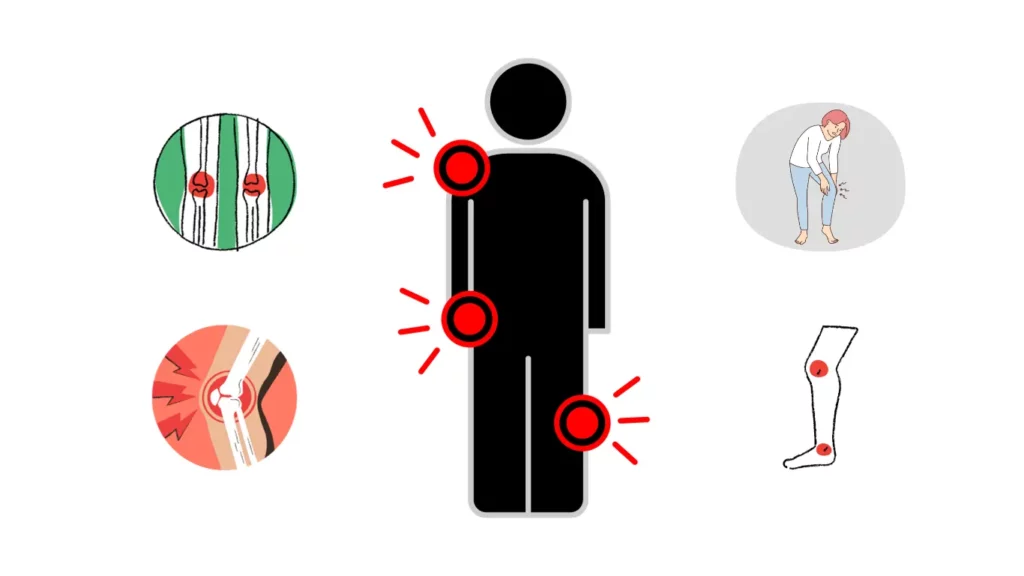
What Causes Joint Pain All Over the Body Joint pain can be a debilitating condition that affects people of all ages. Whether it’s a dull ache or a sharp, shooting pain, discomfort in the joints can significantly impact one’s quality of life. While joint pain can occur in specific areas, it’s not uncommon for individuals to experience pain all over their body. In this article, we will explore the various factors in “What Causes Joint Pain All Over the Body”, from the more common culprits to the less frequent, as well as how to manage and prevent it. Understanding Joint Pain Joint pain, also known as arthralgia, refers to discomfort, pain or inflammation in the joints. Joints are the areas where two or more bones meet, allowing for movement. Joint pain can affect any joint in the body, from the fingers and wrists to the knees, hips, and shoulders. When it occurs throughout the body, it can be a source of considerable distress. What Causes Joint Pain All Over the Body Common Causes of Joint Pain Arthritis: Arthritis is one of the most prevalent causes of joint pain. It includes conditions like osteoarthritis and rheumatoid arthritis, which lead to joint inflammation and degeneration. Injuries: Trauma, such as sports injuries or accidents, can cause joint pain. Strains, sprains, and fractures may result in widespread joint discomfort. Inflammatory Diseases: Conditions like lupus and other autoimmune diseases can trigger inflammation in multiple joints, leading to widespread pain. Uncommon Causes of Joint Pain Infections: Certain infections, such as viral or bacterial infections, can lead to joint pain throughout the body. Conditions like Lyme disease are known for this symptom. Autoimmune Disorders: Diseases like Sjögren’s syndrome and psoriatic arthritis can cause widespread joint pain as the immune system attacks healthy joints. Metabolic Disorders: Disorders like gout, which involve the accumulation of uric acid crystals in the joints, can result in pain all over the body. Read More: Joint Pain and Stiffness: Understanding the Discomfort Symptoms of Joint Pain The symptoms of joint pain can vary, but they often include swelling, redness, stiffness, and decreased range of motion. The intensity of pain can also vary from mild discomfort to severe agony. Diagnosis and Evaluation To determine the cause of widespread joint pain, a healthcare provider will typically take a detailed medical history, conduct a physical examination, and order imaging and lab tests. Treatment Options The treatment of joint pain depends on its underlying cause. Common treatment options include medications, physical therapy, lifestyle modifications, and, in some cases, surgical intervention. Preventing Joint Pain Preventing joint pain can be achieved through various means, including maintaining a healthy lifestyle, managing body weight, and regular exercise. These measures can help reduce the risk of joint pain all over the body. Coping with Chronic Joint Pain Chronic joint pain can be challenging to live with, but there are strategies for coping, including seeking emotional support, pain management techniques, and adaptive tools to ease daily life. Conclusion What Causes Joint Pain All Over the Body? Joint pain that affects the entire body can be caused by a variety of factors, from common issues like arthritis and injuries to more unusual conditions. Understanding the underlying cause of your joint pain is essential for effective treatment and management. By taking steps to prevent joint pain and seeking timely medical advice, you can improve your quality of life. Faqs on What Causes Joint Pain All Over the Body What is the most common cause of joint pain? The most common cause of joint pain is arthritis, which includes osteoarthritis and rheumatoid arthritis. Can joint pain be a sign of a serious medical condition? Yes, joint pain can be a symptom of serious conditions, such as autoimmune diseases or infections. It’s essential to seek medical attention for a proper diagnosis. How is joint pain diagnosed? Diagnosis of joint pain typically involves a medical history review, a physical examination, and, in some cases, imaging and lab tests. Are there natural remedies for managing joint pain? Some people find relief from joint pain through natural remedies like exercise, dietary changes, and supplements, but it’s essential to consult with a healthcare provider. When should I consult a doctor for my joint pain? If you are experiencing persistent or severe joint pain all over your body, it’s advisable to consult a doctor for an accurate diagnosis and treatment recommendations.

What Causes Joint Pain All Over the Body? Read More »

How to Control Fatty Liver

How to Control Fatty Liver: Causes, Symptoms & Prevention

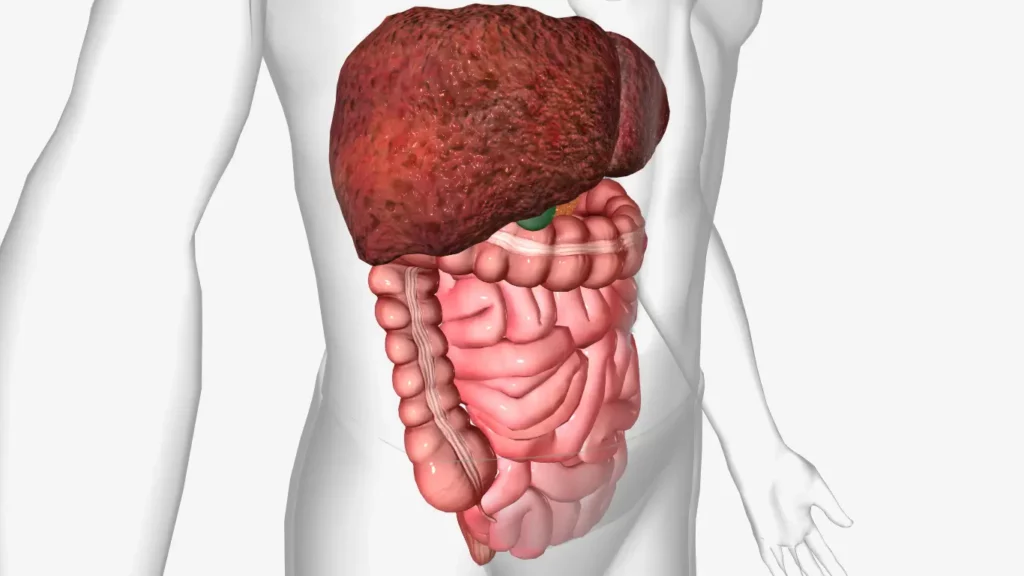
How to Control Fatty Liver: Effective Tips for Control and Prevention Fatty liver, also known as hepatic steatosis, is a common condition that occurs when excess fat accumulates in the liver. It is often associated with poor lifestyle choices and can lead to serious health issues if left untreated. In this article, we will explore what fatty liver is, its causes, symptoms and most importantly, how to control and manage it effectively. Understanding Fatty Liver Fatty liver is a medical condition characterized by the buildup of fat in liver cells. There are two main types of fatty liver disease: 1. Non-Alcoholic Fatty Liver Disease (NAFLD) 2. Alcoholic Fatty Liver Disease (AFLD) Read More: Which is the Best Medicine for Liver Disease? What Causes Fatty Liver? Fatty liver can be caused by various factors, and understanding the root causes is crucial for effective management: 1. Lifestyle Factors Poor Diet: Consuming a diet high in saturated fats, sugars, and processed foods can lead to the accumulation of fat in the liver. These unhealthy dietary choices contribute significantly to the development of fatty liver. Lack of Physical Activity: Sedentary lifestyles and a lack of regular physical activity can hinder the body’s ability to metabolize fats effectively. This can result in fat buildup in the liver over time. Obesity: Being overweight or obese is a major risk factor for fatty liver disease. Excess body fat, especially around the abdominal area, can increase the likelihood of developing fatty liver. Read More: Which Fruit Is Good for Your Liver Health? The Ultimate Fruit Guide 2. Medical Conditions Type 2 Diabetes: People with type 2 diabetes are at a higher risk of developing fatty liver. Insulin resistance, which is common in type 2 diabetes, can lead to increased fat accumulation in the liver. High Blood Pressure: Hypertension or high blood pressure can also contribute to the development of fatty liver. It is often associated with other metabolic conditions that increase the risk. 3. Medications Some medications, such as corticosteroids, tamoxifen, and antiretroviral drugs, have been linked to the development of fatty liver. It’s important to consult with a healthcare provider if you suspect your medications may be a contributing factor. Read Also: How to Check Liver Function at Home in Simple Steps 4. Genetics Genetic Predisposition: Genetics can play a role in an individual’s susceptibility to fatty liver disease. Some people may have a genetic predisposition that makes them more prone to this condition. How to Control Fatty Liver: Recognizing the Symptoms Fatty liver often goes unnoticed because it might not present any symptoms in its early stages. However, as the condition progresses, various signs may become apparent: ⇒ Common Symptoms Fatigue: One of the earliest signs of fatty liver is unexplained fatigue or a general feeling of tiredness. This fatigue can be persistent and may not improve with rest. Abdominal Discomfort: Some individuals with fatty liver may experience discomfort or pain in the upper right side of the abdomen. This discomfort is often described as a dull ache or a feeling of fullness. Jaundice: In more advanced stages, fatty liver can lead to jaundice, characterized by yellowing of the skin and the whites of the eyes. This occurs when the liver’s ability to process bilirubin is compromised. Read More: How to Check Liver Function at Home in Simple Steps ⇒ Advanced Symptoms Liver Inflammation: As fatty liver progresses, it can lead to liver inflammation, a condition known as non-alcoholic steatohepatitis (NASH). Symptoms of liver inflammation may include abdominal swelling, discomfort, and an enlarged liver. Complications like Cirrhosis: In severe cases, untreated fatty liver can progress to cirrhosis, a condition where liver tissue becomes scarred and damaged. Symptoms of cirrhosis include fatigue, weakness, fluid retention, and easy bruising. Read More: Top 10 Signs You Should Never Ignore: Where Liver Pain Strikes How to Control Fatty Liver Managing and controlling fatty liver involves making significant lifestyle changes. Here are some effective strategies to help you take control of your liver health: Healthy Eating Consume a Balanced Diet: A well-balanced diet that includes plenty of fruits, vegetables, whole grains, and lean proteins is essential. Opt for foods rich in antioxidants and nutrients to support liver health. Limit Sugar and Processed Foods: Reduce your consumption of sugary foods and beverages, as well as processed and fried items. Excessive sugar intake can contribute to fat accumulation in the liver. Regular Exercise Engage in Physical Activity: Incorporate regular physical activity into your routine. Aim for at least 150 minutes of moderate-intensity exercise per week. Exercise helps improve insulin sensitivity and aids in the metabolism of fats. Weight Management Lose Excess Weight: If you are overweight or obese, losing weight can significantly reduce the fat content in your liver. Gradual weight loss through a combination of diet and exercise is recommended. Avoid Alcohol Refrain from Excessive Alcohol Consumption: If you have alcoholic fatty liver disease (AFLD), it’s crucial to abstain from alcohol completely. Even small amounts of alcohol can worsen the condition. Stay Hydrated Drink Plenty of Water: Staying hydrated is essential for overall health, including liver function. Adequate water intake supports the liver’s ability to process toxins and fats. By adopting these lifestyle changes and working closely with your healthcare provider, you can effectively control and manage fatty liver. Remember that seeking medical advice is essential for personalized guidance and treatment options, as the severity of fatty liver can vary from person to person. Proactive steps to address this condition can significantly reduce the risk of liver-related complications and improve your overall well-being. Read Also: 10 Early Symptoms of Liver Disease in Woman Conclusion Fatty liver is a prevalent condition that can lead to serious health complications if not addressed. By making lifestyle changes, such as adopting a healthy diet, staying active, and monitoring your health, you can effectively control and manage fatty liver. Remember that seeking medical advice is essential for personalized guidance and treatment options.

How to Control Fatty Liver: Causes, Symptoms & Prevention Read More »

How to Increase Erection Power Boost Your Sexual Performance

How to Increase Erection Power: Boost Your Sexual Performance

How to Increase Erection Power: Boosting Your Sexual Performance In today’s fast-paced world, many men face the challenge of maintaining strong and lasting erections. Erectile dysfunction can be a significant concern, impacting both physical and emotional well-being. However, there are various natural methods to increase erection power and enhance your sexual performance. In this article, we’ll explore effective strategies on How to Increase Erection Power to help you achieve and maintain firmer, longer-lasting erections, improving your overall sexual health. Table of Contents Now, let’s delve into each section and explore these steps in detail. Introduction Erectile dysfunction, or the inability to maintain a satisfactory erection for sexual intercourse, can be a distressing issue for many men. However, there are several natural approaches to boost your erection power and enhance your sexual performance without relying on medication. By understanding the factors that influence erectile function, you can take proactive steps to improve your sexual health. How to Increase Erection Power? Erection power is influenced by a complex interplay of physical, psychological and emotional factors. It’s essential to comprehend that erections are primarily dependent on adequate blood flow to the penis. By addressing the following aspects, you can significantly improve your erection power. 1. Healthy Lifestyle Choices Dietary Improvements A balanced diet is crucial for overall health, including sexual function. Incorporate foods rich in antioxidants, vitamins, and minerals to promote blood circulation. Foods like berries, leafy greens, and nuts can help maintain vascular health. Regular Exercise Engaging in regular physical activity promotes cardiovascular health and enhances blood flow, which positively affects your erection power. Aim for at least 150 minutes of moderate exercise each week. Adequate Sleep Quality sleep is essential for hormone regulation and stress reduction. Aim for 7-9 hours of uninterrupted sleep per night to optimize your sexual health. 2. Stress Reduction Techniques Meditation and Mindfulness Practising mindfulness and meditation can reduce stress and anxiety, two factors that often contribute to erectile dysfunction. These techniques help you stay present and in control. Breathing Exercises Deep breathing exercises can calm the nervous system and improve your ability to maintain an erection. Try simple techniques like diaphragmatic breathing to manage stress. 3. Kegel Exercises for Men Kegel exercises are not just for women; men can benefit from them too. These exercises strengthen the pelvic floor muscles, enhancing your ability to control and maintain erections. 4. Herbal Supplements Various herbal supplements, such as ginseng and ginkgo biloba, have been linked to improved sexual function. However, consult a healthcare professional before using them to ensure safety and effectiveness. 5. Prescription Medications In cases of persistent erectile dysfunction, prescription medications like Viagra or Cialis may be necessary. Consult a doctor to discuss the risks and benefits of such treatments. 6. Therapies and Treatments Therapies like shockwave therapy and vacuum erection devices can assist in improving blood flow to the penis. Consider these options if natural methods are not sufficient. 7. The Role of Hydration Proper hydration is essential for blood circulation. Make sure you drink an adequate amount of water daily to maintain optimal sexual health. 8. Avoiding Alcohol and Tobacco Excessive alcohol consumption and smoking can negatively impact blood flow and erectile function. Reducing or eliminating these habits can lead to significant improvements. 9. Mental Stimulation and Fantasies Engaging in sexual fantasies and mental stimulation can enhance arousal and contribute to stronger erections. A healthy imagination is an essential aspect of sexual performance. 10. Positivity and Self-Confidence Maintaining a positive attitude and self-confidence can help alleviate anxiety and stress related to sexual performance. Believing in your abilities can make a substantial difference. Conclusion How to Increase Erection Power is a multifaceted journey that involves addressing both physical and psychological factors. By making lifestyle improvements, practicing stress-reduction techniques, and considering therapies when necessary, you can enjoy a more satisfying and fulfilling sex life. FAQs on How to Increase Erection Power? Are there specific foods that can boost erection power naturally? While no single food guarantees improved erection power, a diet rich in fruits, vegetables, and whole grains can contribute to better sexual health. Is it possible to enhance erection power through exercise alone? Exercise plays a significant role in promoting better blood circulation, but a holistic approach that includes stress reduction and healthy lifestyle choices is often more effective. Can stress be the sole cause of erectile dysfunction? Stress can be a significant factor, but other physical and psychological factors may also contribute to erectile dysfunction. How long should I try natural methods before considering prescription medications? It’s advisable to consult a healthcare professional if natural methods do not lead to improvement within a few months. Are there any specific safety concerns with herbal supplements for erectile function? Herbal supplements can have interactions with medications or underlying health conditions, so it’s essential to consult a healthcare provider before using them. By following these guidelines, you can work towards improving your erection power naturally and enjoy a more satisfying and confident sex life.

How to Increase Erection Power: Boost Your Sexual Performance Read More »

joint pain and stiffness all over the body

Joint Pain and Stiffness: Understanding the Discomfort

Joint Pain and Stiffness All Over Body: Understanding the Discomfort Joint pain and stiffness all over the body can significantly impact our daily lives, making even the simplest tasks seem challenging. This article will delve into the causes, effects, and potential solutions for those who suffer from joint pain and stiffness. Introduction to Joint Pain Joint pain is a common complaint that can affect people of all ages. It can range from mild discomfort to severe agony, hindering one’s ability to perform daily activities. Understanding the underlying causes is essential to managing and alleviating this discomfort. Common Causes of Joint Pain Joint pain can result from various factors, including injury, overuse, or underlying medical conditions. Some of the most common causes of joint pain include osteoarthritis, rheumatoid arthritis, and gout. These conditions affect the joints differently and require specific treatments. The Impact of Stiffness on Daily Life Stiffness often accompanies joint pain, making it difficult to move the affected joints. This stiffness can affect mobility and lead to a decreased quality of life. Managing both pain and stiffness is crucial to maintaining an active and fulfilling lifestyle. Identifying the Affected Joints Understanding whether the pain and stiffness affect a single joint or multiple joints is crucial. Different conditions can target specific joints or affect multiple areas simultaneously. The affected joints can also vary based on age and lifestyle factors. Single or Multiple Joints? Some individuals may experience joint pain and stiffness in a single joint, such as the knee or shoulder. In contrast, others may encounter discomfort in multiple joints throughout their body. The extent of joint involvement often dictates the underlying cause and treatment options. The Role of Age and Lifestyle Age and lifestyle choices can play a significant role in the development of joint pain. As we age, the wear and tear on our joints increase. Additionally, lifestyle factors like diet and exercise can impact joint health. Understanding these factors is crucial for managing and preventing joint discomfort. Medical Conditions and Joint Pain Several medical conditions can lead to joint pain and stiffness, with arthritis being one of the most prevalent. Let’s explore the connection between these conditions and the discomfort they bring. Arthritis: A Leading Cause Arthritis is a broad term that encompasses various inflammatory joint diseases. Osteoarthritis, the most common type, is characterized by the breakdown of joint cartilage. Rheumatoid arthritis, on the other hand, is an autoimmune disorder that affects the synovium, leading to joint inflammation. Other Conditions Leading to Joint Pain Apart from arthritis, other conditions, such as lupus, fibromyalgia, and bursitis, can also contribute to joint pain. It’s crucial to identify the specific condition to determine the appropriate treatment approach. Coping Mechanisms and Lifestyle Changes Managing joint pain and stiffness often involves making lifestyle changes. This section explores how staying active, making dietary adjustments, and ensuring adequate rest can make a significant difference in alleviating discomfort. Staying Active and Exercise Regular physical activity can help strengthen the muscles around the affected joints and reduce pain. Low-impact exercises, such as swimming and yoga, are excellent choices for individuals with joint issues. Dietary Choices and Supplements Diet plays a crucial role in joint health. Incorporating anti-inflammatory foods like fatty fish, nuts, and berries can help reduce joint pain. Supplements like glucosamine and chondroitin are also popular choices for those looking to enhance joint health. The Importance of Rest and Relaxation Adequate rest and relaxation are essential for joint recovery. Ensuring you get enough sleep and managing stress can help reduce inflammation and alleviate pain. Managing Joint Pain Holistically For those seeking natural remedies and holistic approaches to managing joint pain, this section explores alternative treatments and the benefits of physical therapy. Natural Remedies and Lifestyle Changes Natural remedies such as hot and cold therapy, acupuncture, and herbal supplements can be effective in managing joint pain. Lifestyle changes, including weight management and stress reduction, play a crucial role in holistic joint care. The Role of Physical Therapy Physical therapy can significantly improve joint mobility, reduce pain, and prevent further damage. Therapists work closely with patients to create tailored exercise routines and techniques to enhance joint function. Conclusion In conclusion, joint pain and stiffness all over body can significantly affect one’s quality of life, but understanding the causes and available treatments can make a substantial difference. By making lifestyle adjustments, seeking professional advice when necessary, and exploring holistic approaches, individuals can effectively manage their discomfort and regain their mobility.

Joint Pain and Stiffness: Understanding the Discomfort Read More »

लिवर खराब की पहचान

लिवर खराब की पहचान: लक्षण और उपाय

लिवर खराब की पहचान: लक्षण और उपाय लिवर खराब की पहचान: लिवर हमारे शरीर का महत्वपूर्ण अंग होता है जो हमारे शारीरिक स्वास्थ्य के लिए अत्यंत महत्वपूर्ण भूमिका निभाता है। यह महत्वपूर्ण अंग हमारे खाने के प्रसंस्करण, खराब तत्वों का निष्काशन, और रक्त शुद्धि करने में मदद करता है। लिवर की स्वस्थता के बिना, शरीर को कई बीमारियों और समस्याओं का सामना करना पड़ सकता है। इसलिए, लिवर की समस्याओं की सही पहचान करना और समय रहित उपचार करवाना अत्यंत महत्वपूर्ण है। इस आलेख में, हम आपको बताएंगे कि कैसे आप लिवर की समस्याओं के संकेतों को पहचान सकते हैं और इसके उपचार के बारे में जानकारी प्राप्त कर सकते हैं। लिवर की खराबी का मतलब शुरू करते हैं हमारे शीर्षक से – लिवर की खराबी का मतलब क्या होता है? लिवर की खराबी का मतलब होता है कि आपके लिवर को कुछ समस्या हो रही है। यह समस्याएँ जिगर के इंफेक्शन, वायरस, या अन्य कारणों से हो सकती हैं। लिवर की खराबी का मतलब होता है कि शरीर के लिवर ऑर्गन में किसी प्रकार की समस्या या बीमारी है। यह एक महत्वपूर्ण अंग होता है, जो कई प्रकार के कार्यों के लिए जिम्मेदार होता है, जैसे कि खाने के प्रसंस्करण, विषाणुता निष्काशन, और रक्त शुद्धि। लिवर की खराबी के कई कारण हो सकते हैं, जैसे कि अल्कोहल का सेवन, विषैले खाद्य पदार्थों का सेवन, अधिक दवाओं का प्रयोग, या अन्य स्वास्थ्य समस्याएँ। इसके परिणामस्वरूप, लिवर की खराबी के लक्षण दिख सकते हैं और इसका उपचार किया जाना चाहिए ताकि स्वास्थ्य को बेहतर बनाया जा सके। Read Also: Which is the Best Medicine for Liver Disease? लिवर खराब की पहचान लिवर की खराबी की पहचान करने के लिए कुछ मुख्य लक्षण हो सकते हैं: पीला त्वचा: जब लिवर में समस्या होती है, तो त्वचा पीली हो सकती है, जिसे जौंडिस (Jaundice) कहा जाता है. आलस्य और थकान: लिवर की खराबी के साथ आपको आलस्य और थकान की भावना हो सकती है. बदलते वजन: अचानक वजन कम होना या बढ़ना भी लिवर की समस्याओं का प्रतीक हो सकता है. पेट में दर्द: लिवर की खराबी के कारण पेट में दर्द हो सकता है, जो आमतौर पर उपाधि क्षेत्र में होता है. पानी का इकट्ठा होना: लिवर की खराबी के कारण शरीर में पानी का इकट्ठा हो सकता है, जिसे उपाधि में ब्लोटिंग कहा जाता है. पेट सूजन: लिवर की समस्याओं के कारण पेट में सूजन हो सकती है. खून की कमी: लिवर की समस्याओं के कारण खून की कमी हो सकती है, जिससे चक्कर आने और थकान की भावना हो सकती है. यदि आपको ये लक्षण दिखाई देते हैं और आपको लिवर की समस्या का संदेश मिलता है| Read Also: 10 Early Symptoms of Liver Disease in Woman लिवर की खराबी के कारण लिवर की खराबी के कई कारण हो सकते हैं, जिनमें से कुछ मुख्य कारण निम्नलिखित हो सकते हैं: अल्कोहल: अधिक मात्रा में अल्कोहल का सेवन करने से लिवर को क्षति पहुंच सकती है और अल्कोहलिक लिवर रोग (Alcoholic Liver Disease) का कारण बन सकता है. विषाणुता: विषाणुता, जैसे कि हेपेटाइटिस बी और सी, लिवर को समाधान से प्रभावित कर सकते हैं और लिवर की समस्याओं का कारण बन सकते हैं. असही आहार: अधिक तली हुई, मिठाईयाँ, और प्रकृति विरुद्ध आहार का सेवन करने से लिवर को कष्ट हो सकता है. अधिक तेल और बटर का सेवन: अधिक मात्रा में तेल और बटर का सेवन करने से लिवर को बुरा प्रभाव पड़ सकता है. विषैले खाद्य पदार्थ: अधिक मात्रा में विषैले खाद्य पदार्थों का सेवन, जैसे कि अफीम, नशा, और विषाणुपुंजीविकी, लिवर को क्षति पहुंचा सकता है. बढ़ती वजन: ओबेसिटी या बढ़ती वजन भी लिवर की समस्याओं का कारण बन सकता है. दवाएँ: कुछ दवाएँ जैसे कि अधिक मात्रा में पैरासेटामोल आदि का अवशोषण लिवर के लिए हानिकारक हो सकता है. अन्य स्वास्थ्य समस्याएँ: ब्लड शुगर की समस्या, हाइपरटेंशन, और कुछ गंदगी वाली समग्र योजनाएँ भी लिवर को प्रभावित कर सकती हैं. लिवर की समस्याओं के लक्षणों को समय पर पहचाने और इलाज करवाने में मदद मिल सकती है, ताकि लिवर के स्वास्थ्य को सुधारा जा सके। Read Also: Which Fruit Is Good for Your Liver Health? The Ultimate Fruit Guide लिवर की स्वस्थता के लिये आयुर्वेदिक दवा लिवर स्वस्थ रखने के उपाय सही आहार: स्वस्थ आहार खाना लिवर के लिए महत्वपूर्ण है। अधिक तली हुई, अल्कोहल, और विषैले खाद्य पदार्थों का सेवन कम करें। फल, सब्जियाँ, अगले अंडों, दाल, और अनाज का सेवन बढ़ाएं. पर्यापन: अधिक व्यायाम करना और वजन नियंत्रित रखना लिवर के लिए फायदेमंद होता है. अधिक पानी पीना: प्रतिदिन पर्यापन में पानी पीना लिवर के लिए महत्वपूर्ण है, क्योंकि यह विषाणुता को बाहर निकालने में मदद करता है. समय पर वैक्सीनेशन: हेपेटाइटिस बी और सी जैसी विषाणुता से बचाव के लिए समय पर वैक्सीनेशन करवाएं. अल्कोहल संयम: अल्कोहल का मानव सेवन कम करें या बिल्कुल न करें. दवाओं का सवाल: किसी भी दवा का सेवन केवल डॉक्टर की सलाह पर करें, और दवाओं का सेवन की खुराक को सख्ती से मानें. सावधानी से वजन घटाएं: अगर आपका वजन बढ़ गया है, तो सावधानी से वजन कम करें, क्योंकि ओबेसिटी लिवर के लिए हानिकारक हो सकती है. नियमित चेकअप: नियमित अवधि पर चिकित्सक की सलाह और जांच करवाने से लिवर की स्वस्थता की निगरानी रखें. ये उपाय लिवर को स्वस्थ रखने में मदद कर सकते हैं और लिवर की समस्याओं से बचने में मदद कर सकते हैं। Read Also: How to Check Liver Function at Home in Simple Steps “लिवर खराब की पहचान”: संक्षेप लिवर की सेहत हमारे स्वास्थ्य के लिए महत्वपूर्ण है, और उसकी सही पहचान और समस्याओं के संकेतों को समझना अत्यंत महत्वपूर्ण है। यदि आपको जौंडिस, पीला त्वचा, आलस्य, थकान, या अन्य उपरोक्त लक्षण मिलते हैं, तो आपको तुरंत चिकित्सक से मिलकर परामर्श लेना चाहिए। लिवर की स्वस्थता के लिए सही आहार, नियमित व्यायाम, और स्वस्थ जीवनशैली अत्यंत महत्वपूर्ण हैं। आपकी लिवर की सेहत का ध्यान रखने से आप अपने स्वास्थ्य को सुरक्षित रख सकते हैं और जीवन का आनंद उचित रूप से ले सकते हैं। लिवर की सच्ची पहचान करके और उपायों को अपनाकर, हम अपने लिवर की स्वस्थता को बनाए रख सकते हैं और

लिवर खराब की पहचान: लक्षण और उपाय Read More »

how to keep erection for the whole night

How to Keep Your Erection All Night Long?

How to Keep an Erection for the Whole Night: Unveiling the Secrets Maintaining a firm and lasting erection throughout the night is a topic that many individuals are curious about. It’s essential to understand that achieving this isn’t just about prolonging pleasure but also a sign of overall health and vitality. In this article, we will explore various aspects of How to Keep an Erection for the Whole Night, shedding light on both physical and psychological factors that contribute to this intimate performance. So, let’s dive into the secrets of achieving this intimate goal. Understanding Erection and Its Causes Before we delve into strategies for maintaining an erection, it’s crucial to comprehend the mechanics behind an erection. An erection occurs when there is an increased blood flow to the penile region. It is influenced by a combination of physiological and psychological factors. These include but are not limited to arousal, sexual stimulation, and the release of nitric oxide in the body. Read Also: Why does My Erection go Away so Fast? Causes, Solutions & Faqs 1. The Role of Blood Flow Adequate blood circulation is vital for achieving and sustaining an erection. The blood vessels in the penile region need to relax and expand to allow more blood to flow in, resulting in a firm erection. Anything that affects blood flow, such as vascular issues or lifestyle choices, can impact the quality of an erection. 2. Lifestyle Choices That Impact Erections Several lifestyle choices can affect your ability to maintain an erection. Smoking, excessive alcohol consumption, a sedentary lifestyle, and poor dietary habits can all contribute to erectile dysfunction. To keep an erection for the whole night, consider making positive changes in these areas. 3. Psychological Factors The mind plays a significant role in maintaining an erection. Anxiety, stress, and performance pressure can interfere with your ability to sustain an erection. Addressing these psychological factors is crucial to ensure a satisfying and prolonged experience. Read Also: Is Premature Ejaculation Curable? Find Hope and Solutions How to Keep an Erection for the Whole Night Sustaining an erection for an extended period, such as the entire night, is challenging and not recommended due to potential health risks. An erection lasting more than four hours can be a sign of a medical condition called priapism, which can damage the penis. However, if you’re looking to maintain an erection during sexual activity and improve your overall sexual health, here are some tips: Maintain a Healthy Lifestyle: Eat a balanced diet rich in fruits, vegetables, and whole grains. Exercise regularly to improve blood circulation. Manage stress through relaxation techniques, like meditation or yoga. Avoid smoking and limit alcohol intake. Read Also: Best Ayurvedic Medicine for Erectile Dysfunction and Premature Ejaculation in India 2. Stay Hydrated: Dehydration can affect your sexual performance. Drink plenty of water throughout the day. 3. Manage Anxiety: Anxiety and nervousness can lead to erectile difficulties. Communicate with your partner, practice mindfulness, and consider seeking therapy or counseling if anxiety is a persistent issue. 4. Get Adequate Sleep: Lack of sleep can negatively impact your sexual health. Aim for 7-9 hours of quality sleep per night. 5. Limit Pornography and Masturbation: Excessive use of pornography and frequent masturbation may desensitize you to sexual stimuli. Reducing these activities might help you maintain erections during sexual encounters. 6. Practice Kegel Exercises: These exercises can strengthen the pelvic floor muscles, which can help improve sexual function. Read Also: How to Cure Erectile Dysfunction & Premature Ejaculation Naturally 7. Use Lubrication: If dryness is an issue, consider using a water-based lubricant to reduce friction during sexual activity. 8. Explore Different Sexual Positions: Different sexual positions can help you last longer and maintain an erection during intercourse. Experiment with what works best for you and your partner. 9. Try ED Medications: If you’re experiencing erectile dysfunction, consult a healthcare professional. They can prescribe medications like Viagra or Cialis, which may help you achieve and maintain an erection. 10. Talk to a Doctor: If you’re having persistent difficulties maintaining an erection, it’s essential to consult a healthcare provider. They can rule out any underlying medical conditions and provide guidance on appropriate treatments. Remember that a sustained erection for an entire night is not natural or healthy. Erections typically come and go during sexual activity, and it’s normal for them to subside after ejaculation. If you have concerns about your sexual health, don’t hesitate to seek professional advice from a healthcare provider or a sexual therapist. They can provide personalized guidance and solutions to address your specific needs. Conclusion Keeping an erection for the whole night involves a combination of physical and psychological factors. By focusing on your overall health, lifestyle choices, and effective communication with your partner, you can enhance your ability to enjoy a satisfying and prolonged intimate experience. Remember that seeking medical advice is always an option for persistent issues, ensuring a fulfilling sex life. Faqs on How to Keep an Erection for the Whole Night Can I keep an erection all night? Achieving and maintaining an erection throughout the entire night is uncommon. Erections usually come and go due to natural physiological processes. How does alcohol affect nighttime erections? Excessive alcohol consumption can impair your ability to maintain an erection. It’s advisable to consume alcohol in moderation to ensure better sexual performance. What role does age play in maintaining an erection? Age can affect the frequency and quality of erections. As men age, it may take longer to achieve an erection, and sustaining it may become more challenging. Are there any natural supplements to aid in erection longevity? Some natural supplements, like L-arginine and ginseng, may help improve blood flow and sexual performance. However, consult with a healthcare professional before using them. When should I seek medical help for erection problems? If you consistently experience difficulties in maintaining an erection, it’s advisable to seek medical advice. A healthcare professional can determine the underlying causes and recommend suitable treatments.

How to Keep Your Erection All Night Long? Read More »

what is the best medicine for liver disease

Which is the Best Medicine for Liver Disease?

What is the Best Medicine for Liver Disease? When it comes to your health, the liver is a vital organ that plays a significant role in maintaining your overall well-being. Liver diseases can be a serious concern, and finding the best medicine for liver disease is essential for those dealing with this condition. In this article, we will explore the different types of liver diseases, common symptoms, diagnosis, and, most importantly, the best medicines available to manage and treat these conditions. Understanding Liver Diseases The liver is responsible for various functions, including detoxification, producing bile, and metabolizing nutrients. Liver diseases can be caused by various factors, such as viral infections, alcohol consumption, obesity, and genetics. Understanding the causes is crucial to finding effective treatment. Read Also: How I Cured My Liver Cirrhosis Types of Liver Diseases Liver diseases encompass a wide range of conditions. Some common liver diseases include: Hepatitis: Inflammation of the liver caused by viral infections or autoimmune disorders. Cirrhosis: Scarring of the liver tissue, often a result of long-term liver damage. Fatty Liver Disease: Accumulation of fat in the liver, primarily due to poor diet and obesity. Liver Cancer: The development of cancerous cells in the liver. Read Also: How to Make Your Liver Healthy Again Common Symptoms of Liver Diseases Recognizing the symptoms of liver diseases is essential for early intervention. Common symptoms include: Fatigue Jaundice (yellowing of the skin and eyes) Abdominal pain Unexplained weight loss Dark urine Swelling in the abdomen or legs Read Also: Top 10 Signs You Should Never Ignore: Where Liver Pain Strikes What is the Best Medicines for Liver Disease Finding the best medicine for liver disease depends on the specific condition. Here are some commonly prescribed medications: Antiviral Medications: For viral hepatitis, antiviral drugs are often used to slow down the replication of the virus and prevent liver damage. Immunosuppressants: These drugs are used in autoimmune liver diseases to reduce the immune system’s activity that attacks the liver. Ursodeoxycholic Acid (UDCA): This medication is used for primary biliary cholangitis to help slow liver damage. Statins: To manage cholesterol levels and reduce the risk of non-alcoholic fatty liver disease. Corticosteroids: These can help reduce inflammation in the liver for conditions like autoimmune hepatitis. Read Also: Which Fruit Is Good for Your Liver Health? The Ultimate Fruit Guide What is the Best Ayurvedic Medicine for Liver Disease Read Also: 10 Early Symptoms of Liver Disease in Woman Conclusion In conclusion, finding what is the best medicine for liver disease depends on the specific diagnosis. Early intervention, a healthy lifestyle and the right medication can make a significant difference in managing and treating liver diseases. Remember, always consult a healthcare professional for guidance. FAQs on What is the best medicine for liver disease Can liver diseases be completely cured with medication? It depends on the type and stage of the liver disease. Some conditions can be managed effectively, while others may require additional treatments. Are there natural remedies for liver diseases? Certain herbs and dietary changes may support liver health, but they should not replace prescribed medications. Is liver transplantation an option for advanced liver diseases? Yes, in severe cases, a liver transplant may be necessary to save a patient’s life. Can over-the-counter painkillers harm the liver? Excessive use of painkillers, especially acetaminophen, can damage the liver. Follow recommended dosages. How can I prevent liver diseases? Maintaining a healthy lifestyle, getting vaccinated for hepatitis, and avoiding excessive alcohol consumption can reduce the risk of liver diseases. This comprehensive guide provides essential information about liver diseases, their treatment options, and the importance of early intervention. Remember to seek professional medical advice for a proper diagnosis and treatment plan.

Which is the Best Medicine for Liver Disease? Read More »

Scroll to Top