Liver Health

what is the best medicine for liver disease

Which is the Best Medicine for Liver Disease?

What is the Best Medicine for Liver Disease? When it comes to your health, the liver is a vital organ that plays a significant role in maintaining your overall well-being. Liver diseases can be a serious concern, and finding the best medicine for liver disease is essential for those dealing with this condition. In this article, we will explore the different types of liver diseases, common symptoms, diagnosis, and, most importantly, the best medicines available to manage and treat these conditions. Understanding Liver Diseases The liver is responsible for various functions, including detoxification, producing bile, and metabolizing nutrients. Liver diseases can be caused by various factors, such as viral infections, alcohol consumption, obesity, and genetics. Understanding the causes is crucial to finding effective treatment. Read Also: How I Cured My Liver Cirrhosis Types of Liver Diseases Liver diseases encompass a wide range of conditions. Some common liver diseases include: Hepatitis: Inflammation of the liver caused by viral infections or autoimmune disorders. Cirrhosis: Scarring of the liver tissue, often a result of long-term liver damage. Fatty Liver Disease: Accumulation of fat in the liver, primarily due to poor diet and obesity. Liver Cancer: The development of cancerous cells in the liver. Read Also: How to Make Your Liver Healthy Again Common Symptoms of Liver Diseases Recognizing the symptoms of liver diseases is essential for early intervention. Common symptoms include: Fatigue Jaundice (yellowing of the skin and eyes) Abdominal pain Unexplained weight loss Dark urine Swelling in the abdomen or legs Read Also: Top 10 Signs You Should Never Ignore: Where Liver Pain Strikes What is the Best Medicines for Liver Disease Finding the best medicine for liver disease depends on the specific condition. Here are some commonly prescribed medications: Antiviral Medications: For viral hepatitis, antiviral drugs are often used to slow down the replication of the virus and prevent liver damage. Immunosuppressants: These drugs are used in autoimmune liver diseases to reduce the immune system’s activity that attacks the liver. Ursodeoxycholic Acid (UDCA): This medication is used for primary biliary cholangitis to help slow liver damage. Statins: To manage cholesterol levels and reduce the risk of non-alcoholic fatty liver disease. Corticosteroids: These can help reduce inflammation in the liver for conditions like autoimmune hepatitis. Read Also: Which Fruit Is Good for Your Liver Health? The Ultimate Fruit Guide What is the Best Ayurvedic Medicine for Liver Disease Read Also: 10 Early Symptoms of Liver Disease in Woman Conclusion In conclusion, finding what is the best medicine for liver disease depends on the specific diagnosis. Early intervention, a healthy lifestyle and the right medication can make a significant difference in managing and treating liver diseases. Remember, always consult a healthcare professional for guidance. FAQs on What is the best medicine for liver disease Can liver diseases be completely cured with medication? It depends on the type and stage of the liver disease. Some conditions can be managed effectively, while others may require additional treatments. Are there natural remedies for liver diseases? Certain herbs and dietary changes may support liver health, but they should not replace prescribed medications. Is liver transplantation an option for advanced liver diseases? Yes, in severe cases, a liver transplant may be necessary to save a patient’s life. Can over-the-counter painkillers harm the liver? Excessive use of painkillers, especially acetaminophen, can damage the liver. Follow recommended dosages. How can I prevent liver diseases? Maintaining a healthy lifestyle, getting vaccinated for hepatitis, and avoiding excessive alcohol consumption can reduce the risk of liver diseases. This comprehensive guide provides essential information about liver diseases, their treatment options, and the importance of early intervention. Remember to seek professional medical advice for a proper diagnosis and treatment plan.

Which is the Best Medicine for Liver Disease? Read More »
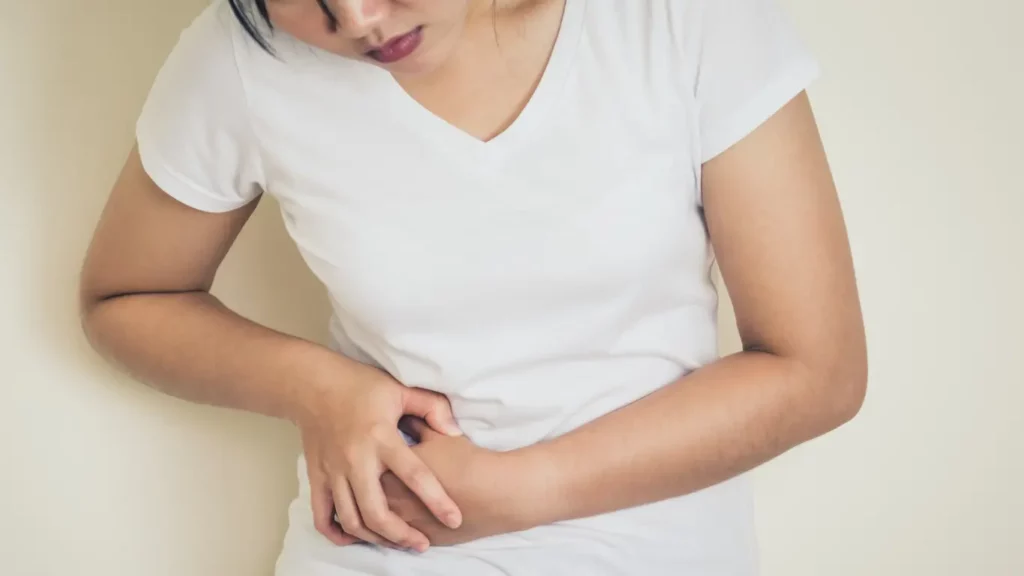
woman early symptoms of liver disease

10 Early Symptoms of Liver Disease in Woman

10 Early Symptoms of Liver Disease in Woman The liver is a vital organ responsible for various functions in our body, including detoxification, digestion, and nutrient storage. Liver diseases can affect anyone, but some symptoms of liver disease may be more common in women. In this article, we will explore the ten early symptoms of liver disease that woman should be aware of to ensure timely detection and treatment. What is Liver Disease? Liver disease encompasses a wide range of conditions that can damage the liver, such as hepatitis, cirrhosis, fatty liver disease, and liver cancer. These conditions can develop due to various factors, including viral infections, alcohol consumption, and genetics. Read Also: How to Make Your Liver Healthy Again 10 Early Symptoms of Liver Disease in Woman Jaundice Jaundice is a yellowing of the skin and the whites of the eyes. It occurs when the liver cannot process bilirubin properly. This is one of the most common signs of liver disease. Fatigue Unexplained fatigue is a symptom that often accompanies liver problems. Women with liver disease may experience extreme tiredness, even after a good night’s sleep. Abdominal Pain Persistent pain in the upper right abdomen can be a sign of liver trouble. It can range from a dull ache to sharp, stabbing pain. Unexplained Weight Loss Sudden and unintentional weight loss can be an early indicator of liver disease. This is especially concerning if there have been no changes in diet or exercise. Changes in Urine and Stool Dark urine and pale-coloured stool may suggest liver dysfunction. Changes in the colour of bodily waste can be a sign that the liver is not processing bilirubin properly. Nausea and Vomiting Frequent nausea and vomiting can be associated with liver issues, as the liver plays a role in digestion. Swelling in the Abdomen Liver disease can lead to abdominal swelling, which is often due to a build-up of fluids in the abdominal cavity (ascites). Itchy Skin Pruritus, or itchy skin, is another common symptom of liver disease. It can be quite bothersome and affect a woman’s quality of life. Dark Colored Urine Dark-colored urine can be a sign of liver problems, indicating that bilirubin is not being processed correctly. Pale Colored Stool A stool that is unusually light or clay-coloured may indicate liver disease. Risk Factors for Liver Disease Some women may be at a higher risk of developing liver disease due to factors such as excessive alcohol consumption, viral hepatitis infections, obesity, and a family history of liver conditions. Read Also: Top 10 Signs You Should Never Ignore: Where Liver Pain Strikes Importance of Detection: Early Symptoms of Liver Disease in Woman Early detection of liver disease is crucial for effective treatment. The liver is a resilient organ, and with early intervention, it can often recover from damage. Delayed diagnosis can lead to severe complications. Read Also: How to Check Liver Function at Home in Simple Steps Conclusion In conclusion, women should be aware of the early symptoms of liver disease to ensure timely diagnosis and treatment. Liver disease can be managed effectively when detected early, improving the quality of life for those affected. Furthermore, understanding that liver disease can manifest differently in women compared to men is crucial. Women should pay close attention to their bodies and seek medical advice if any of the aforementioned symptoms are experienced. In summary, women’s health and well-being are greatly enhanced by being aware of the early signs of liver disease and taking action when needed. With the right knowledge and proactive healthcare measures, women can effectively address liver issues and lead healthier, happier lives. FAQs on Early Symptoms of Liver Disease in Woman Can liver disease be cured completely? The outcome depends on the specific condition and early detection. Some liver diseases can be effectively managed with treatment, while others may require ongoing care. Is liver disease hereditary? Some liver diseases have a genetic component and can run in families. It’s essential to be aware of your family history and discuss it with your healthcare provider. What lifestyle changes can help prevent liver disease? Maintaining a healthy diet, regular exercise, limiting alcohol intake, and avoiding behaviors that could lead to hepatitis infections can reduce the risk of liver disease. Are women more susceptible to liver disease than men? Both genders can develop liver disease, but certain symptoms may be more prevalent in one gender. It’s crucial for everyone to be aware of the signs and symptoms. Can liver disease be asymptomatic? Yes, some liver diseases can progress without noticeable symptoms. Regular check-ups and screenings can aid in early detection.

10 Early Symptoms of Liver Disease in Woman Read More »

which fruit is good for liver

Which Fruit Is Good for Your Liver Health? The Ultimate Fruit Guide

Which Fruit Is Good for Your Liver Health? The Ultimate Fruit Guide Welcome to the ultimate guide on Which Fruit Is Good for Your Liver Health. Your liver is a vital organ responsible for various metabolic functions, and maintaining its well-being is crucial for overall health. In this article, we will explore the fruits that can promote and support your liver’s health, providing you with valuable insights based on expertise and credible sources. The Power of Nature for a Healthy Liver Your liver is a powerhouse that plays a pivotal role in detoxifying your body and metabolizing nutrients. A diet rich in liver-friendly fruits can significantly contribute to its health and overall well-being. Read Also: How to Check Liver Function at Home in Simple Steps Fruits for Liver Health: The Top Picks Let’s delve into the world of fruits and discover the best options for liver health. These fruits are packed with essential nutrients and antioxidants that can aid your liver’s function and keep it in top shape. 1. Grapefruit: Grapefruits are known for their high vitamin C content, which supports liver detoxification. Additionally, they contain antioxidants that help reduce inflammation and protect liver cells. 2. Blueberries: Blueberries are a superfood packed with antioxidants, particularly anthocyanins, which have been shown to improve liver function and protect against oxidative damage. 3. Apples: Apples are rich in pectin, a soluble fibre that aids in the removal of toxins from the digestive tract. This indirectly benefits the liver by reducing its workload. 4. Avocado: Avocado is a source of healthy fats that can help improve cholesterol levels, reducing the risk of fatty liver disease. 5. Citrus Fruits: Oranges, lemons, and limes are loaded with vitamin C and antioxidants, which help neutralize harmful toxins in the liver. Read Also: Top 10 Signs You Should Never Ignore: Where Liver Pain Strikes Which Fruit Is Good for Your Liver Health? The Ultimate Fruit Guide 6. Grapes: Resveratrol, found in grapes, is known for its anti-inflammatory and antioxidant properties. It may protect liver cells from damage caused by oxidative stress. 7. Papaya: Papaya is a great source of vitamins A, C, and E, which are essential for liver health and may aid in the prevention of liver diseases. 8. Watermelon: This hydrating fruit contains glutathione, a powerful antioxidant that supports liver detoxification and overall health. 9. Cranberries: Cranberries are packed with antioxidants and have been associated with a reduced risk of liver diseases. 10. Kiwi: Kiwi is an excellent source of vitamin C and fibre, promoting healthy digestion and aiding liver function. Read Also: How to Make Your Liver Healthy Again FAQs on Which Fruit Is Good for Liver Health Which foods should I avoid for a healthy liver? A healthy liver diet means cutting down on processed foods, sugary drinks, and excessive alcohol. Can fruits alone maintain good liver health? While fruits are excellent for your liver, it’s essential to have a well-rounded diet and maintain a healthy lifestyle. How often should I consume liver-healthy fruits? Aim to include these fruits regularly in your diet, but remember to balance them with other food groups. Are there any side effects of consuming these fruits? In general, these fruits are safe to consume, but if you have specific allergies or medical conditions, consult a healthcare professional. Can fruits reverse liver damage? While fruits can support liver health, they may not reverse significant liver damage. Consult a healthcare professional for personalized advice if you have a liver condition. Conclusion Your liver is a resilient organ, and with the right dietary choices, you can support its function and overall health. The fruits mentioned in this guide are excellent choices for a liver-friendly diet. Remember to consult a healthcare professional for personalized advice, especially if you have an existing liver condition. Enhance your well-being through the power of nature and delicious, liver-boosting fruits. Your liver will thank you for it.

Which Fruit Is Good for Your Liver Health? The Ultimate Fruit Guide Read More »

How to Check Liver Function at Home

How to Check Liver Function at Home in Simple Steps

How to Check Liver Function at Home in Simple Steps Welcome to a comprehensive guide on “How to Check Liver Function at Home in Simple Steps. The liver is a vital organ that is crucial to your body’s overall health. It processes nutrients, detoxifies harmful substances, and aids in digestion. Monitoring your liver function is essential to ensure its optimal performance. Traditionally, liver function tests were carried out in clinical settings, but with advancements in medical technology, you can now check your liver function at home. In this article, we’ll explore why it’s important to do so, the signs of liver dysfunction, how to conduct home liver function tests, and more. The Significance of Liver Health Maintaining a healthy liver is paramount to ensure the proper functioning of your body. Your liver processes nutrients, detoxifies harmful substances, and plays a key role in digestion. Understanding your liver’s health is essential, and here’s how you can do it. Self-Assessment: How to Check Liver Function at Home Your liver gives out subtle signs when it’s not functioning optimally. Here’s a list of things to watch for: Jaundice: The yellowing of the skin and eyes can indicate liver problems. Fatigue: Unexplained tiredness may be a sign of liver issues. Abdominal Pain: Persistent discomfort in the upper right abdomen could be liver-related. Digestive Problems: Consistent indigestion, bloating, or nausea may be a cause for concern. Read Also: How I Cured My Liver Cirrhosis Liver Function Tests For a more accurate assessment, you can perform these simple tests at home. 1. Bilirubin Test Bilirubin is a pigment produced during the breakdown of red blood cells. Elevated bilirubin levels can indicate liver problems. You can check this using a simple blood test kit at home. 2. Liver Enzyme Test Elevated liver enzymes may signal liver damage. You can purchase a liver enzyme test kit and follow the instructions to assess your enzyme levels. 3. Skin Pinch Test Gently pinch the skin on the back of your hand. If it takes more than a couple of seconds to regain its shape, it may indicate dehydration, which can be linked to liver issues. Read Also: How to Make Your Liver Healthy Again How to Check Liver Function at Home Liver function test kits are a convenient and accessible way to assess your liver’s health from the comfort of your own home. These kits are readily available in the market, and they typically come equipped with all the necessary components for conducting the test. Here’s how to make use of these kits: Obtain a Liver Function Test Kit: Start by acquiring a liver function test kit. You can purchase these kits online or from your local pharmacy. Make sure to check the kit’s expiration date and that it includes all the essential components. 2. Read the Instructions: Carefully read the instructions provided in the kit. Different kits may have specific requirements or steps, so it’s crucial to familiarize yourself with the manufacturer’s guidelines. 3. Fasting Preparation: Many liver function tests require fasting for a certain period before the test. This means refraining from eating or drinking anything, except for water, for the specified duration. Fasting helps ensure accurate results. 4. Gather the Supplies: Lay out all the supplies included in the kit, which typically consist of test strips, lancets, alcohol swabs, and a collection container. 5. Prepare Your Skin: To make the process smoother, clean the finger you’ll use for the test with an alcohol swab. This step helps prevent infection. Read Also: Top 10 Signs You Should Never Ignore: Where Liver Pain Strikes 6. Obtain a Liver Function Test Kit: Start by acquiring a liver function test kit. You can purchase these kits online or from your local pharmacy. Make sure to check the kit’s expiration date and that it includes all the essential components. 7. Read the Instructions: Carefully read the instructions provided in the kit. Different kits may have specific requirements or steps, so it’s crucial to familiarize yourself with the manufacturer’s guidelines. 8. Fasting Preparation: Many liver function tests require fasting for a certain period before the test. This means refraining from eating or drinking anything, except for water, for the specified duration. Fasting helps ensure accurate results. 9. Gather the Supplies: Lay out all the supplies included in the kit, which typically consist of test strips, lancets, alcohol swabs, and a collection container. 10. Prepare Your Skin: To make the process smoother, clean the finger you’ll use for the test with an alcohol swab. This step helps prevent infection. Interpretation of Test Results: How to Check Liver Function at Home Interpreting the results of a liver function test conducted at home is vital to understanding your liver’s health. These tests measure various markers in your blood that provide insights into your liver’s functioning. Here’s how to interpret the results of a home liver function test: Normal Range: Most liver function test kits provide a reference range for each marker. Results falling within this range are considered normal. Normal results typically indicate that your liver is functioning as it should. Elevated Levels: If a marker, such as ALT or AST, shows levels above the specified reference range, it may suggest potential liver issues. Elevated enzyme levels can be a sign of liver damage or inflammation. Lower-Than-Normal Levels: On the other hand, lower-than-normal levels of proteins like albumin may indicate liver dysfunction. Low albumin levels could imply liver disease or other health problems. Bilirubin Levels: Elevated bilirubin levels could suggest liver or gallbladder problems. It’s essential to compare your bilirubin results to the reference range provided in your kit. INR or PT: A prolonged prothrombin time (PT) or elevated international normalized ratio (INR) may indicate issues with blood clotting, potentially associated with liver dysfunction. Comparison with Previous Results: If you have previous home liver function test results, it’s valuable to compare them. A significant change from your previous results might indicate a developing issue. It’s crucial to note that while home liver function tests can provide initial insights,

How to Check Liver Function at Home in Simple Steps Read More »

Where Is Liver Pain Located

Top 10 Signs You Should Never Ignore: Where Liver Pain Strikes

Top 10 Signs You Should Never Ignore: Where Liver Pain Strikes In the realm of human anatomy, the liver stands as one of the body’s unsung heroes, performing a myriad of vital functions. However, there are instances when the liver can cause discomfort and pain. In this comprehensive guide, we will delve into the intriguing question: where is liver pain located? This article will not only answer this question but will also provide insights based on expertise and first-hand knowledge, supported by credible sources. So, let’s embark on this journey to discover the mysteries of liver pain. Is Your Liver Trying to Tell You Something? Decoding the Location of Liver Pain The liver, your body’s largest internal organ, plays a crucial role in various bodily functions, including filtering blood, processing nutrients, and metabolizing toxins. Despite its resilience, it can be susceptible to pain and discomfort due to various factors. Understanding where liver pain is located is essential for addressing underlying issues and ensuring optimal health. Read Also : How to Make Your Liver Healthy Again Understanding Liver Pain Liver pain, often associated with discomfort or a dull ache, can vary in intensity. To comprehend where liver pain is located, we need to first understand the anatomy of the liver and its functions. Where Is Liver Pain Located? Liver pain is typically felt in the upper right quadrant of the abdomen, just below the ribcage. The pain may radiate to the back and shoulder. This specific location is due to the liver’s position in the body. The Liver’s Location in the Body The liver is situated in the upper right part of the abdominal cavity, under the diaphragm. This unique location allows it to carry out its vital functions efficiently. When the liver becomes inflamed or experiences issues, it can lead to discomfort in this region. Read Also: How I Cured My Liver Cirrhosis Identifying Liver Pain- Where Is Liver Pain Located Liver pain can manifest in various ways, and it’s crucial to recognize the symptoms early. Here are some of the key indicators: Persistent Abdominal Discomfort: If you notice a constant, dull pain in the upper right side of your abdomen, it could be a sign of liver distress. Swelling and Bloating: An enlarged liver can cause abdominal swelling and a feeling of fullness. Jaundice: Yellowing of the skin and eyes is a clear sign of liver dysfunction and should not be ignored. Dark Urine: Urine that appears dark or tea-colored may indicate liver problems. Pale Stools: Light-colored or clay-like stools can be a sign of bile duct obstruction. Chronic Fatigue: Ongoing fatigue and weakness could be linked to liver issues. Nausea and Vomiting: Persistent nausea and vomiting, especially after meals, might be a sign of liver problems. Appetite Changes: Sudden loss of appetite or unexplained weight loss could signal liver distress. Itchy Skin: Intense itching, especially on the hands and feet, can be a symptom of liver dysfunction. Pain in the Right Shoulder: Liver pain can radiate to the right shoulder blade, causing discomfort. Top 10 Signs You Should Never Ignore: Where Liver Pain Strikes Now that you’re aware of the signs and causes of liver pain, it’s essential not to ignore them. If you experience any of these symptoms, it’s time to seek medical attention and consult with a healthcare professional. Early diagnosis and intervention can make a significant difference in the outcome of liver conditions. What Causes Liver Pain? Understanding the causes of liver pain is crucial for effective management. Some common causes include: Liver Infections: Viral hepatitis, such as hepatitis B and C, can lead to liver pain. Liver Diseases: Conditions like fatty liver disease, cirrhosis, or liver cancer can cause discomfort. Gallbladder Issues: Gallstones or inflammation of the gallbladder can result in referred pain to the liver area. Alcohol Abuse: Excessive alcohol consumption can damage the liver, leading to pain. Medications: Some medications can have adverse effects on the liver, causing pain and discomfort. Autoimmune Diseases: Conditions like autoimmune hepatitis can lead to liver pain. FAQs Can liver pain be a sign of liver disease? Yes, liver pain can be a symptom of various liver conditions, including inflammation, infection, and fatty liver disease. Is liver pain always a cause for concern? Not always, but it should never be ignored. Some causes of liver pain are relatively mild, while others can be serious. How can I prevent liver pain? Maintaining a healthy lifestyle, avoiding excessive alcohol consumption, and getting vaccinated for hepatitis can help prevent liver pain. Can liver pain go away on its own? It depends on the cause. Mild liver pain may subside with rest, but persistent pain should be evaluated by a doctor. Are there any natural remedies for liver pain? Some people find relief from liver pain through dietary changes, such as reducing fatty foods and increasing water intake. However, always consult a healthcare professional for guidance. Conclusion Understanding where liver pain is located is the first step in addressing discomfort or pain in the upper right quadrant of the abdomen. While mild liver pain can sometimes resolve on its own, it’s essential not to ignore persistent or severe pain, as it can be a sign of underlying liver conditions. Consulting a healthcare professional is crucial for a proper diagnosis and treatment.

Top 10 Signs You Should Never Ignore: Where Liver Pain Strikes Read More »

How to Make Your Liver Healthy Again

How to Make Your Liver Healthy Again

How to Make Your Liver Healthy Again: A Comprehensive Guide In today’s fast-paced world, maintaining a healthy liver is crucial for overall well-being. Your liver plays a pivotal role in detoxification and digestion, making it essential to keep it in top shape. If you’re wondering how to make your liver healthy again, you’ve come to the right place. In this article, we will explore various aspects of liver health, from dietary choices to lifestyle changes, to help you revitalize your liver and feel your best. Introduction: How to Make Your Liver Healthy Again Your liver is a remarkable organ, responsible for processing everything you consume, from food to medications. It filters out toxins and metabolizes nutrients, making it vital for your health. However, poor diet and lifestyle choices can burden the liver, leading to various health issues. The good news is that you can take steps to rejuvenate your liver and ensure it functions optimally. Read Also: How I Cured My Liver Cirrhosis Assessing Your Liver Health Before diving into the strategies for improving your liver health, it’s essential to assess its current state. Some common signs of liver distress include: Fatigue Unexplained weight loss Jaundice (yellowing of the skin and eyes) Dark urine Abdominal pain Swelling in the abdomen Nausea and vomiting If you’re experiencing any of these symptoms, it’s crucial to consult a healthcare professional for a thorough evaluation. Read Also: How I Cured My Liver Cirrhosis How to Make Your Liver Healthy Again Opt for a Liver-Friendly Diet Your diet plays a significant role in liver health. To rejuvenate your liver, consider the following dietary adjustments: Fruits and Vegetables: A diet rich in fruits and vegetables provides essential vitamins and antioxidants that support liver health. Lean Proteins: Opt for lean protein sources like chicken, fish, and legumes, which reduce the strain on your liver. Whole Grains: Choose whole grains like brown rice and quinoa over refined grains to improve liver function. Hydration: Stay adequately hydrated, as water is crucial for liver detoxification. Cut Back on Processed Foods: Highly processed foods often contain unhealthy fats and additives that burden the liver. Limit Alcohol: Excessive alcohol consumption can damage the liver. Moderate or eliminate alcohol from your diet. Detoxify Naturally Your liver naturally detoxifies your body, but you can support this process with specific foods and practices: Milk Thistle: This herbal supplement can help protect and repair liver cells. Turmeric: Known for its anti-inflammatory properties, turmeric supports liver health. Lemon Water: Drinking warm lemon water in the morning can kickstart your liver’s detoxification process. Dandelion Tea: Dandelion root tea aids in liver detoxification and promotes healthy digestion. Regular Exercise: Engaging in physical activity helps improve blood flow and overall liver function. Lifestyle Choices for Liver Health Your lifestyle choices significantly impact your liver’s well-being. Here’s how you can make positive changes: Exercise Regularly: Physical activity promotes overall health and aids in liver function. Manage Stress: High-stress levels can harm your liver. Practice stress-reduction techniques such as meditation and yoga. Maintain a Healthy Weight: Obesity can contribute to fatty liver disease. Achieving and maintaining a healthy weight is essential for liver health. Limit Medications: Excessive use of medications can strain the liver. Consult your healthcare provider for alternative options. Avoid Smoking: Smoking is harmful to your liver and overall health. Quitting can significantly benefit your liver. FAQs on How to Make Your Liver Healthy Again Can I improve my liver health through dietary changes alone? While dietary changes are a crucial part of liver health, lifestyle factors like exercise, stress management, and avoiding harmful substances are equally important. How do I know if my liver needs detoxification? If you experience symptoms like fatigue, jaundice, or unexplained weight loss, it’s essential to consult a healthcare professional for a proper evaluation. How much alcohol is considered safe for liver health? The safe amount of alcohol varies for each individual. It’s best to consult with a healthcare professional to determine what’s suitable for your liver health. Can liver damage be reversed? In many cases, early-stage liver damage can be reversed with the right lifestyle changes. However, advanced liver disease may require medical intervention. How often should I have my liver function tested? The frequency of liver function tests depends on your health and risk factors. Consult with a healthcare provider for personalized recommendations. Conclusion In summary, the journey to rediscovering your liver’s vitality and ensuring its enduring health revolves around the question: “How to Make Your Liver Healthy Again?” By making informed dietary choices, embracing a liver-friendly lifestyle, and being vigilant about potential toxins, you can effectively rejuvenate your liver and elevate your overall well-being. Always remember that consulting a healthcare professional for personalized guidance is paramount in the quest to maintain your liver’s health.

How to Make Your Liver Healthy Again Read More »

How I cured my liver cirrhosis

How I Cured My Liver Cirrhosis

How I Cured My Liver Cirrhosis: A Holistic Recovery Journey How I Cured My Liver Cirrhosis In today’s fast-paced world, our lifestyles and dietary habits often lead us down the path of health issues, some of which can be quite serious. Liver cirrhosis is one such condition that affects millions of people worldwide. However, in this article, we will explore a personal journey and discover how one individual managed to cure their liver cirrhosis and regain their health. Understanding Liver Cirrhosis What is Liver Cirrhosis? Liver cirrhosis is a chronic liver disease characterized by the scarring of the liver tissue, leading to the impairment of liver function. It can result from various causes, including excessive alcohol consumption, viral infections, and certain medical conditions. Symptoms of Liver Cirrhosis The initial stages of liver cirrhosis may often go unnoticed, but as the disease progresses, symptoms can become evident. These may include fatigue, jaundice, abdominal pain, and swelling in the legs and abdomen. How I Cured My Liver Cirrhosis A Shocking Diagnosis Our journey begins with a shocking diagnosis of liver cirrhosis. The individual in question had been experiencing inexplicable fatigue and discomfort, leading them to seek medical advice. After a series of tests, the diagnosis of liver cirrhosis was confirmed. The Conventional Treatment The first step in addressing this condition was consulting with medical professionals and embarking on the traditional treatment path. Medications, dietary changes, and lifestyle adjustments were prescribed, but the road to recovery proved to be challenging. Exploring Alternative Therapies Dietary Transformation Recognizing the need for a holistic approach, the individual decided to make substantial changes to their diet. They eliminated processed foods, high-fat items, and alcohol. Instead, they focused on consuming fresh fruits, vegetables, and lean protein sources. Herbal Supplements In addition to dietary changes, the individual turned to herbal supplements known for their liver-healing properties. Supplements like milk thistle and dandelion root were incorporated into their daily routine. Holistic Healing Practices Yoga and Meditation Stress management played a crucial role in the healing process. The individual took up yoga and meditation to reduce stress and promote overall well-being. Acupuncture and Traditional Chinese Medicine Exploring alternative therapies further, acupuncture and traditional Chinese medicine were integrated into their treatment plan. These practices aimed to restore the body’s natural balance. Results and Recovery The Turning Point After several months of dedicated effort and adhering to the new lifestyle, a turning point was reached. Medical tests showed improvements in liver function, and the individual began to feel more energetic and vibrant. Maintaining the Gains It’s important to note that curing liver cirrhosis is an ongoing process. The individual continues to follow a liver-friendly diet, take herbal supplements, and engage in holistic practices to ensure their liver remains healthy. Conclusion The journey described in “How I Cured My Liver Cirrhosis” illustrates the transformative potential of holistic healing. By making profound changes in dietary choices, incorporating liver-boosting herbal supplements, and embracing stress management techniques, the path to recovery became a reality. If you or a loved one is dealing with liver cirrhosis, this account offers hope and inspiration, and it serves as a reminder that the journey to better health begins with the first step – a commitment to holistic healing. FAQs on How I Cured My Liver Cirrhosis Can liver cirrhosis be completely cured? While a complete cure is challenging, it is possible to manage and improve liver function through lifestyle changes and holistic therapies. Are there any side effects to herbal supplements for liver health? Herbal supplements are generally safe, but it’s essential to consult with a healthcare professional before adding them to your routine. How can stress affect liver cirrhosis? High stress levels can exacerbate liver cirrhosis, making stress management an integral part of the healing process. What role does exercise play in liver cirrhosis recovery? Regular exercise can promote overall health and complement the healing process by improving circulation and reducing fat accumulation in the liver. Is it possible to prevent liver cirrhosis in the first place? Yes, by adopting a healthy lifestyle, limiting alcohol consumption, and getting vaccinated against liver-damaging viruses, you can reduce the risk of developing liver cirrhosis.

How I Cured My Liver Cirrhosis Read More »

Scroll to Top